Panicum
Switch Grass Heavy Metal (Panicum)
Panicum virgatum
Also known as: Heavy Metal Blue Switch Grass, Panicum virgatum Heavy Metal
- Perennials
- Zone 3
- Full Sun
- Low
- 90–150 cm
- 60–75 cm
- 60–75 cm
- Low
- Thriller
Bloom window: Late Summer to Fall
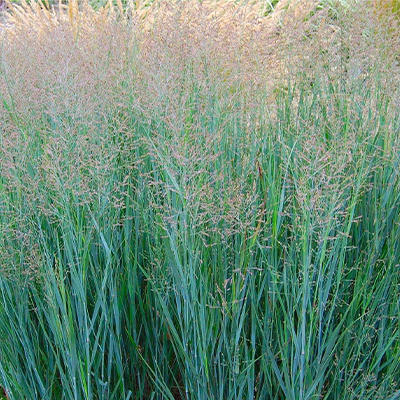
Switch Grass Heavy Metal is a metallic blue-green switch grass with upright form and airy late-season flower panicles. A durable prairie native-type ornamental grass for structure and winter interest.
- Soil
- Well-drained, Clay, Loam
- Native status
- Introduced
- Growth rate
- Moderate
- Flower colour
- Pink
- Foliage colour
- Green, Silver
- Foliage habit
- Deciduous
- Landscape use
- Border, Mass planting, Specimen
- Attracts
- Birds, Butterflies
- Resistant to
- Drought, Deer
Care guides
Watering
Water Switch Grass Heavy Metal (Panicum) deeply whenever the top 3–5 cm of soil dries during spring establishment and peak bloom. A thorough weekly soak usually outperforms light daily misting, especially on Manitoba clay that crusts in wind. Once the crown is established, plants tolerate average-to-dry spells; still water during multi-week drought so flowering does not stall. Keep water off foliage late in the evening when possible to reduce foliar disease pressure.
Sunlight
Switch Grass Heavy Metal (Panicum) (Panicum virgatum) should be placed in full sun. For strongest stems, colour, and flower or fruit production, provide at least 6 hours of direct daily sun, with morning light especially valuable before intense Manitoba afternoon heat. Sites under dense tree canopies or on the north side of buildings typically produce leggy growth, fewer buds, and weaker colour—avoid those locations for this plant. At a mature size around 90–150 cm, give neighbouring plants enough space so they do not shade out the crown as the season progresses.
Pruning
Deadhead spent blooms on Switch Grass Heavy Metal (Panicum) through the season to tidy the clump and, for many varieties, encourage side shoots or a lighter rebloom. After hard frost, cut deciduous stems back to a few centimetres above the crown, or leave ornamental seed heads standing for winter structure and wildlife if the stems stay sturdy. In early spring, clear remaining straw-like foliage before new shoots emerge. Divide crowded clumps every few years in spring or early fall to renew vigour and flowering.