Ipomoea
Sweet Potato
Ipomoea batatas
Also known as: sweet potato
- Veggies
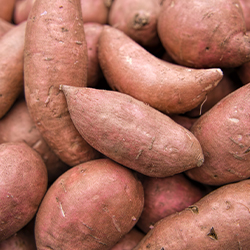
Sweet Potato (Ipomoea batatas) is an edible plant often grown for its root vegetable. Grown in warm climates across the world, it is nutritious and high in many vitamins and minerals. It has edible leaves and roots which are white, orange or yellow. Its sweet, tuberous root can be fried, boiled, steamed or baked. The leaves are usually boiled and combined with other ingredients to make a salad. Rich in bioactive compounds, sweet potato provides a range of health benefits including improved digestion and lowered blood sugar levels.
Care guides
Watering
It is recommended to water sweet potato plants every 5-7 days, depending on the weather conditions. Water the sweet potatoes deeply and thoroughly until the soil is moist. During the summer months, the plants may need to be watered more often. Before each watering, it is essential to check the soil for moisture. If the soil is already moist, it is not necessary to add additional water. The ideal amount of water sweet potatoes need in a week is 1-2 inches.
Sunlight
Sweet potato plants (Ipomoea batatas) require about 8 to 10 hours of direct sunlight each day. This should be throughout the entirety of the growing season, from early spring through early fall. The ideal amount of sunlight for sweet potato plants comes during the middle of the day when the sun is at its highest point in the sky.
Pruning
Pruning sweet potato plants (Ipomoea batatas) can help maintain an attractive shape and improve air flow to the plant, which can help prevent fungal diseases. Pruning should take place in spring or early summer after the plants have finished flowering. Pruning should include removing dead leaves and stems, as well as cutting back weak stems that aren’t producing many leaves or flowers. For large sweet potato plants, you can prune up to about 2-thirds of the foliage, but for younger plants, pruning can be kept to a minimum. Prune back to the base of each stem to about 2-3 inches. Pruning sweet potatoes also encourages new plants to arise from the root system.