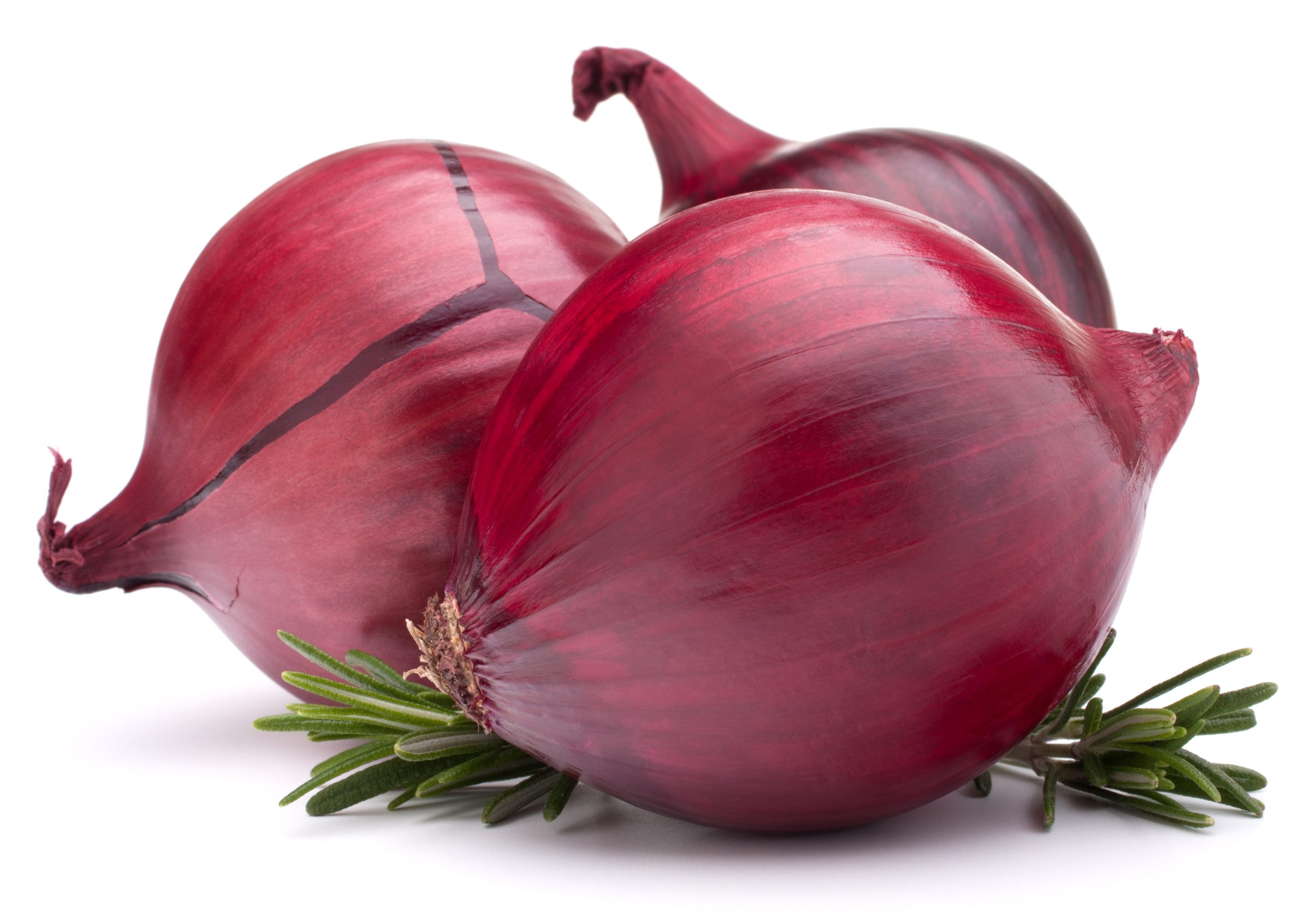
Allium
Onions
Allium cepa
Also known as: Garden Onion, Culinary Onion
- Veggies & Herbs
- Full Sun
- Medium
- 30–45 cm
- 15–20 cm
- 10–15 cm
- Low
Toxic to pets.
Onions are a cool-season staple grown for storage bulbs and fresh kitchen use. Upright blue-green hollow leaves feed expanding underground bulbs in sunny raised beds and garden rows.
- Soil
- Well-drained, Loam
- Native status
- Introduced
- Growth rate
- Moderate
- Flower colour
- White
- Foliage colour
- Green
- Foliage habit
- Deciduous
- Landscape use
- Border, Mass planting
- Resistant to
- Pests
Care guides
Watering
Keep Onions on a steady moisture cycle so the top few centimetres never bake into a hard crust while plants are actively expanding foliage, bulbs, or fruit. Water at soil level early in the day, deeply enough to wet the full root zone, then allow light drying at the surface before the next thorough soak. Aim for the feel of a well-wrung sponge: moist throughout, never swampy. Mulch garden rows to stabilize moisture between rains. Reduce watering as crops finish or begin curing so flavours concentrate and storage quality improves.
Sunlight
Onions (Allium cepa) should be placed in full sun. For strongest stems, colour, and flower or fruit production, provide at least 6 hours of direct daily sun, with morning light especially valuable before intense Manitoba afternoon heat. Sites under dense tree canopies or on the north side of buildings typically produce leggy growth, fewer buds, and weaker colour—avoid those locations for this plant. At a mature size around 30–45 cm, give neighbouring plants enough space so they do not shade out the crown as the season progresses.
Pruning
Keep Onions productive by harvesting regularly and removing yellowing or damaged leaves promptly. Pinch or prune growing tips on herbs to force bushier branching, and stake or cage vining or heavy-fruiting crops before they flop. Clear spent plants after frost and rotate beds where disease has been an issue. Important safety note: while the harvested crop may be edible for people as intended, other plant parts can be toxic to pets—do not allow dogs or cats to chew stems, leaves, or green fruit.