Cornus
Ivory Halo Dogwood
Cornus alba
Also known as: Ivory Halo Tatarian Dogwood, Bailhalo Red Twig Dogwood
- Shrubs
- Zone 3a
- Full Sun to Part Sun
- 1.2–1.5 m
- 1.2–1.5 m
- 1.2 m
- Low
Bloom window: Spring
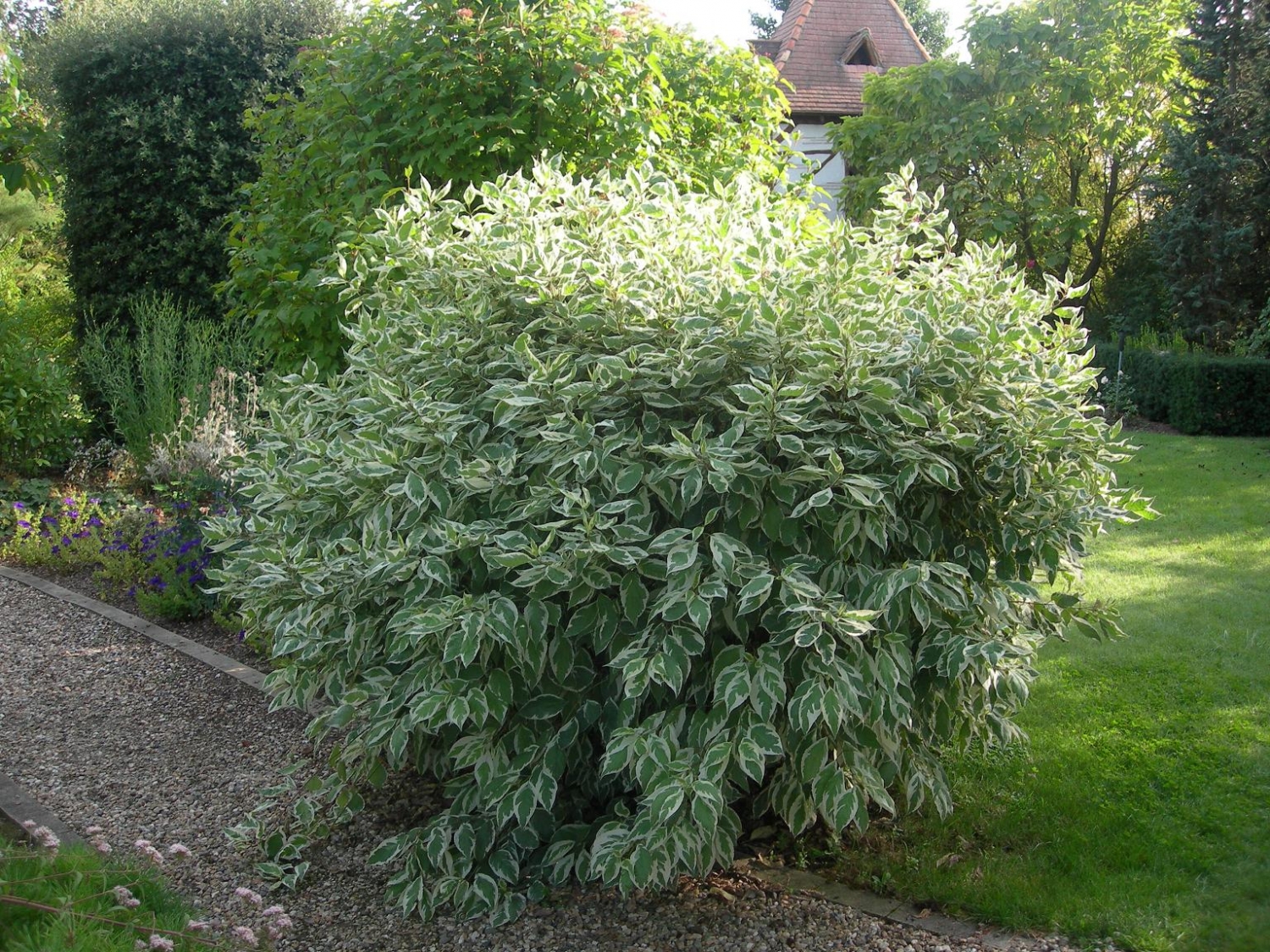
Ivory Halo® Dogwood is a spectacular, multi-season ornamental shrub engineered to bring vibrant color and refined texture to the rugged northern landscape. This premium Tatarian dogwood cultivar is celebrated for its compact, rounded habit and striking variegated foliage, featuring crisp, lanceolate green leaves elegantly edged in clean, creamy white. Clusters of delicate white flowers appear in late spring, followed by attractive porcelain-blue fruit that serves as a vital sanctuary for local birds. The absolute show, however, arrives in winter when its leaves drop to reveal a breathtaking network of intense, fiery coral-red structural branches that create a magnificent contrast against the white prairie snow.
- Soil
- Well-drained, Clay, Moist
- Native status
- Introduced
- Growth rate
- Moderate
- Foliage habit
- Deciduous
- Landscape use
- Border, Hedge, Specimen
- Attracts
- Bees, Butterflies, Birds
- Resistant to
- Deer, Disease
Care guides
Watering
Ivory Halo® Dogwood is a highly moisture-loving structural shrub that mimics wetland margin vegetation, operating with fantastic tolerance for damp soils and heavy native clay lines. During its initial two planting seasons in Steinbach, water deeply at the base 1–2 times a week to allow its roots to anchor securely past the prairie frost line. While mature specimens display commendable short-term drought resilience during hot July weeks, prolonged bone-dry baking will cause the crisp white leaf margins to scorch and drop. Provide one comprehensive deep soak in late October right before the ground freezes solid.
Sunlight
This premium variegated cultivar performs at its absolute peak in full sun to partial shade (4 to 6+ hours of direct daily solar exposure). Maximizing high-intensity solar energy is the direct biological fuel required to trigger its crisp, two-toned leaf contrast and—most importantly—synthesize the rich winter bark pigments. Planting it in heavy shade will cause the branches to grow thin, stretch out leggy, and force the spectacular winter bark to revert into a dull, muddy greenish-brown hue.
Pruning
Pruning requires highly specific strategic timing to capture its legendary winter beauty. Ivory Halo® produces its brightest, most electrifying coral-red bark strictly on young, one-year-old stems. As branches grow older than 3 years, their bark turns coarse, gray, and loses its color value. Perform structural rejuvenation pruning annually in late winter or very early spring (typically late March to early April in Manitoba) while the wood is strictly dormant. Customers can choose to either prune away one-third of the oldest, thickest gray canes down to the ground level each year to trigger a continuous flush of fiery new red shoots, or cleanly coppice the entire shrub down to 15 cm above the soil every 3 years for an explosive, uniform ball of red structural color next winter.