Iresine
Iresine
Iresine herbstii
Also known as: Herbst's bloodleaf
- Annuals Containers and Baskets
- Part Sun to Part Shade
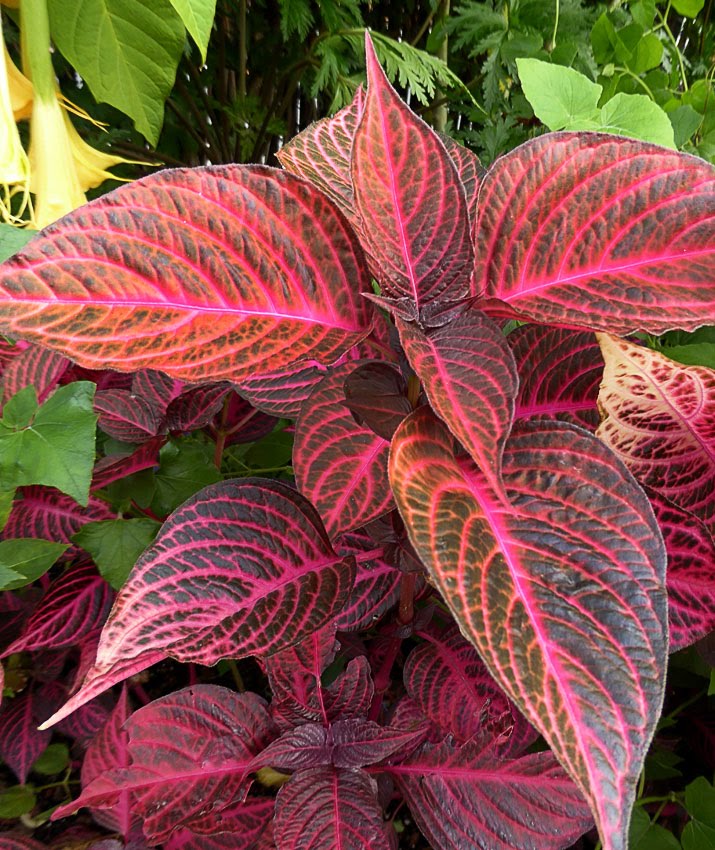
Herbst's bloodleaf (Iresine herbstii) is a striking evergreen perennial with vibrant, deep purplish-red-veined, green frilly foliage. Its bold foliage ensures a dramatic accent in any garden, and it has a natural mound-forming habit which gives it an interesting texture. Growing to 1-2 feet in height, it is also drought-tolerant and will thrive in both full sun and partial shade. This frost-sensitive species requires some protection in cooler winter climates. Its abundant and colorful foliage make for a perfect edging display in borders and around pathways, inspiring a warm, friendly atmosphere.
Care guides
Watering
Watering Herbst's Bloodleaf is fairly straightforward. It should be watered generously, allowing the soil to become evenly moisture but not overly soggy. It should be kept moist at all times, but especially during the growing season (typically spring through fall) water up to 2 to 3 times a week. During the winter months, when the plant is dormant, water only when the soil has begun to dry out.
Sunlight
Herbst's bloodleaf plants thrive in bright, indirect sunlight and need at least 4 to 6 hours of sunlight per day. They are best placed near an east-facing window and away from any direct sunlight during the mid-day hours. Morning sun is ideal for the plant, as it gives them the right amount of light while reducing the intensity of midday light that can burn their leaves. Even with the right amount of sun, the plant should be monitored for any signs of burn or discoloration of the leaves.
Pruning
Pruning for Herbst's bloodleaf (Iresine herbstii) should be done regularly to keep bushy growth. Maintain low level bushes by about 1 - 2 ft in height and prune regularly to avoid leggy growth. Major Pruning should be done at the beginning of the growing season in the spring. If necessary, a light trimming may be done in the late summer but this should be kept to a minimum.