Hypoestes
Hypoestes
Hypoestes phyllostachya
Also known as: polka dot plant
- Annuals Containers and Baskets
- Full Sun to Part Sun
- 8–12" tall
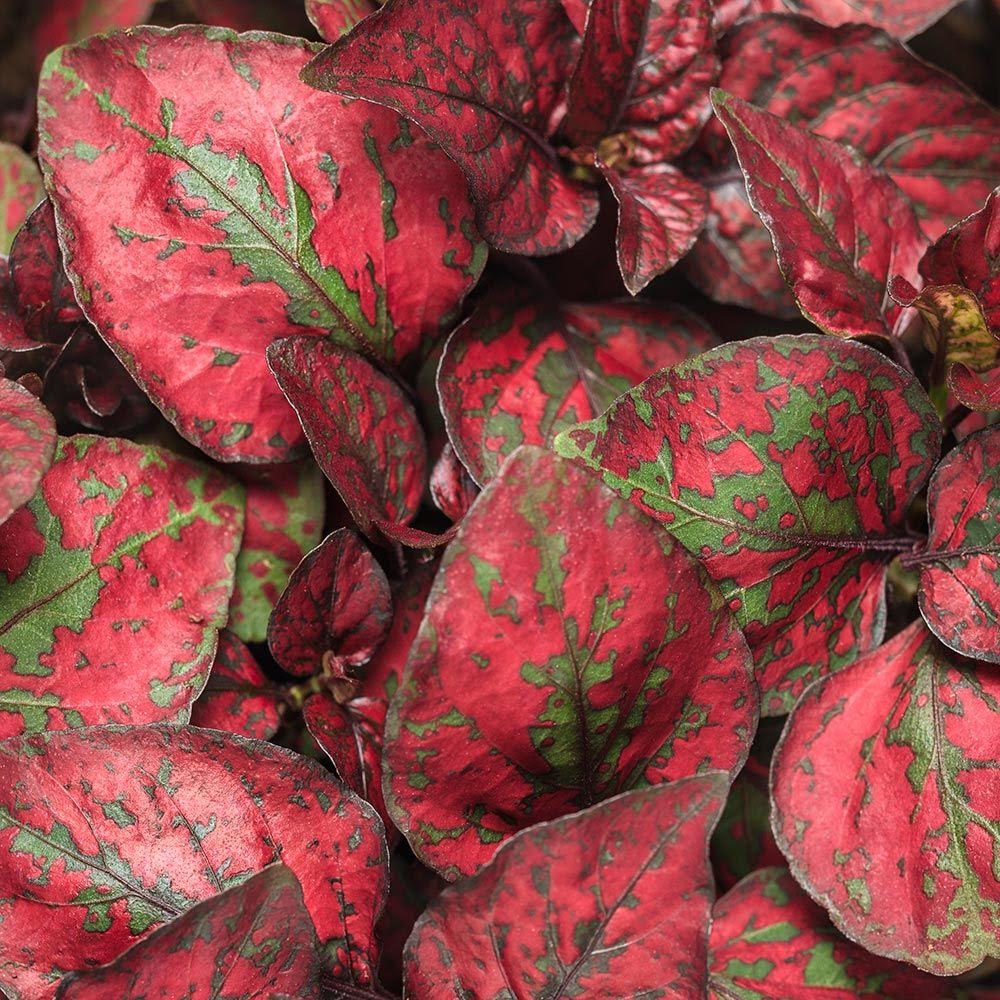
The 'Polka Dot Plant' is an annual foliage plant with a unique name. It has distinctive large, dark green leaves with bright pink or white spots. It also grows beautiful tall spikes of pink or white flowers. Its most common name refers to its foliage, the 'Polka Dot Plant' is also known by the scientific name Hypoestes phyllostachya. It is a great choice for adding colorful texture to garden beds, rock gardens, or even in a container. The Polka Dot Plant's bright dots and rosy tones are sure to give your garden that extra something special.
Care guides
Watering
Polka dot plants prefer moist soil, however, avoid overwatering. Water the plant when the top 3 inches of soil is dry. Typically, this plant needs to be watered every 7-10 days. In the summer, when temperatures are warmer, the plant might need more frequent watering. During the winter months, ensure that you water the plant less often. Additionally, make sure the soil is well-drained to prevent root rot from overwatering.
Sunlight
The Polka Dot Plant (Hypoestes phyllostachya) requires bright, filtered sunlight throughout the day. This means that the plant should be placed in a spot near a window where it can receive at least 4-5 hours of sunlight daily. Bright, indirect light is best, so a spot near a south-facing window is ideal in most cases. Avoid direct exposure to the midday sun, as this can scorch the leaves of the plant. Additionally, be sure to rotate your Polka Dot Plant occasionally, so it isn’t always leaning toward the same side of the window.
Pruning
Pruning of Polka Dot Plants (Hypoestes phyllostachya) should be done sparingly and judiciously. Pruning should be done to remove dead or damaged leaves, as well as just to shape the plant. Pruning should be done once the plant has finished flowering, typically in the late spring or early summer months. Generally, no more than 1-third of the plant should be removed during pruning. Pruning should be done with pruning shears or scissors and not pulled off by hand, as this can damage the plant.