Hosta Dancing Darling
Also known as: Plantain Lily, Funkia
- Perennials
- Zone 3a
- Part Shade to Full Shade
- 45–55 cm
- 60–75 cm
- 60–70 cm
- Low
- Thriller
Toxic to pets.
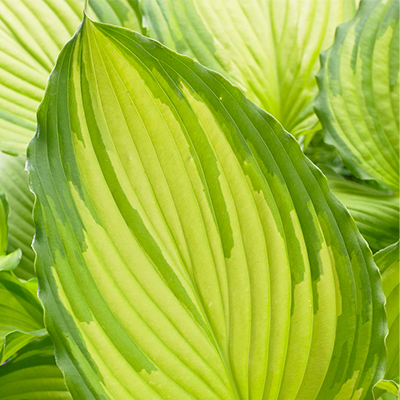
Hosta ‘Dancing Darling’ is an exquisite shade-loving perennial that brings unmatched architectural elegance and fluid movement to woodland gardens. This premium hosta cultivar is highly sought after for its large, heavily textured leaves that showcase intensely pie-crusted, cascading ruffled margins—mimicking the graceful, swirling dress of a dancer. The lush foliage canopy creates a dramatic, layered fountain effect that thrives beautifully in filtered shade. In mid-to-late summer, tall, sturdy flowering scapes rise cleanly above the structural mounded leaves, bearing clusters of elegant, trumpet-shaped pale lavender blossoms. Exceptionally cold-hardy, reliable, and long-lived, it serves as a low-maintenance centerpiece to permanently illuminate shady borders and structural landscape gaps.
- Soil
- Well-drained, Loam
- Native status
- Introduced
- Growth rate
- Moderate
- Foliage habit
- Deciduous
- Landscape use
- Border, Container, Mass planting
Care guides
Watering
Hosta 'Dancing Darling' loves consistent, even moisture to support its giant, fleshy foliage canopy. Keep the soil uniformly damp, resembling a fresh, well-wrung sponge. Water deeply at the root zone 1–2 times a week, ensuring you irrigate the soil beneath the massive leaves rather than misting the foliage canopy, which can invite fungal leaf spots. While established hostas have surprisingly tough, deep root systems that resist temporary prairie summer dry spells, prolonged severe drought will cause the ruffled margins to crisp and turn brown. Never allow the soil to turn into a stagnant, unoxygenated swamp.
Sunlight
This ruffled cultivar requires careful shade management to look its best. It performs brilliantly in partial shade, dappled forest light, or an environment that receives gentle morning sun followed by cooling afternoon relief. Ample bright, indirect light is required to fuel its structural growth; avoid placing it in full, unfiltered Manitoba afternoon sun, which will rapidly scorch and bleach the delicate ruffles. Deep, dense shade is tolerated but may result in slightly slower leaf expansion.
Pruning
Extremely trouble-free. No technical pruning is required during the spring and summer growing season; simply use sharp hand-shears to clip away the long flowering scapes near the base once the lavender summer blossoms finish blooming to keep the structure immaculate. In late autumn, after the first few hard Manitoba frosts turn the large leaves yellow and mushy, cleanly pull or shear away the dead, collapsed foliage from the ground level to eliminate overwintering sites for slugs and snails. Your backyard soil will look completely bare all winter; simply wait for the new shoots to unravel in mid-May.