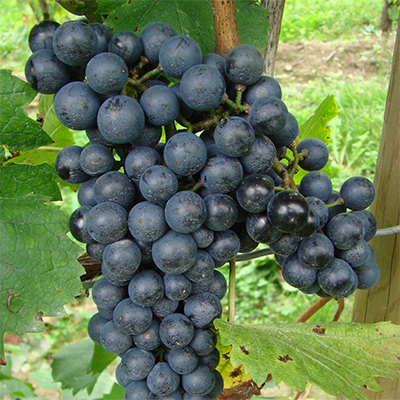
Vitis
Grapes – Blue Ice
Vitis
Also known as: Blue Ice Grape, Morden Concord Grape, Morden Blue Grape
- Fruit
- Zone 3a
- Full Sun
- 1.8–2.4 m
- 0.9–1.2 m
- 1.8 m
- Medium
Bloom window: Spring
Toxic to pets.
- Soil
- Well-drained, Loam
- Native status
- Introduced
- Growth rate
- Fast
- Foliage habit
- Deciduous
- Landscape use
- Border, Container
Care guides
Watering
Blue Ice Grape requires deep, regular watering during its initial two growing seasons in Steinbach to encourage its root framework to anchor deep past the frost line. Avoid shallow, daily sprinkling; instead, drench deeply at the soil base once a week during dry summer spells. Ensure proper soil drainage, as standing water or saturated roots will rapidly prompt root suffocation and crown rot. Provide one final, exceptionally thorough root-drenching soak in late October right before the ground freezes solid to preserve vine hydration against drying winter winds.
Sunlight
This cold-hardy grape vine strictly demands a premium full-sun environment, requiring a minimum of 6 to 8 hours of direct, unfiltered solar exposure daily. Maximizing solar exposure is the single most critical asset needed to fuel flower bud development, maximize natural brix sugars within the blue clusters, and ensure the crop fully ripens before the short northern summer winds down. Planting it in shaded zones will lead to weak, leggy vines and poor, sour fruit yields.
Pruning
Pruning requires highly specific timing and a permanent support system like a fence or arbor. Blue Ice Grape is self-pollinating and bears its best fruit clusters on one-year-old wood emerging from mature canes. Perform aggressive pruning annually in late winter or early spring (typically late March to mid-April) while the wood is strictly dormant. Never prune in summer or late fall, which bleeds sap and limits hardiness. Practice the classic "Four-Cane Kniffin" or "Two-Cane" system, removing up to 80-90% of the previous year's growth to keep air flowing and stimulate heavy, sweet yields. Harvest by clipping the blue clusters carefully by hand once they turn deeply colored and sweet to the touch in late August.