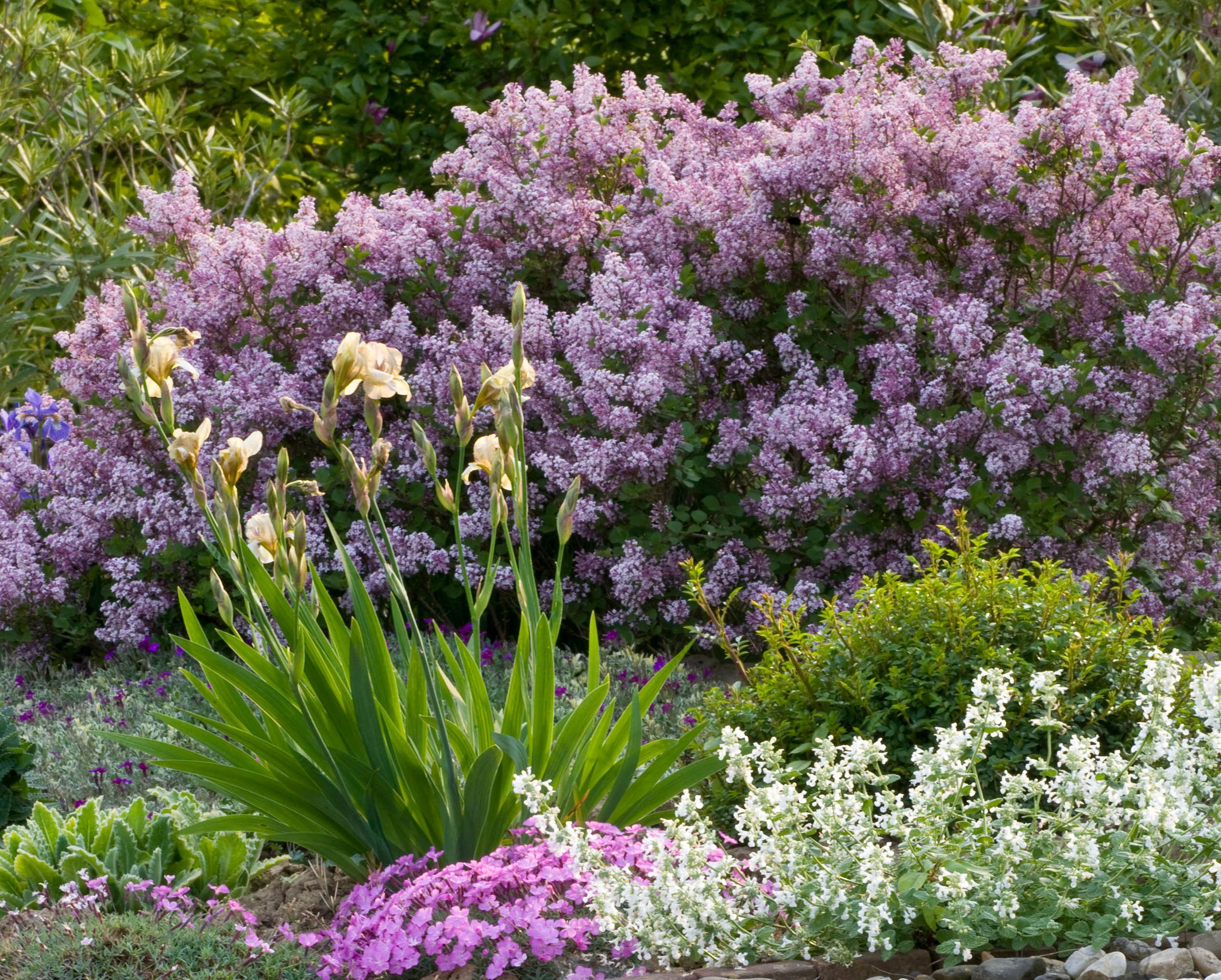
Syringa
Dwarf Korean Lilac
Syringa meyeri
Also known as: Dwarf Korean Lilac, Meyer Lilac, Palibin Lilac
- Shrubs
- Zone 3a
- Full Sun
- Medium
- 1.2–1.5 m
- 1.5–2.1 m
- 1.2–1.5 m
- Low
Bloom window: Spring
- Native status
- Introduced
- Growth rate
- Slow
- Foliage habit
- Deciduous
- Landscape use
- Border, Hedge, Specimen
Care guides
Watering
Dwarf Korean Lilac prefers average, well-drained conditions and requires consistent moisture during its initial 1–2 year establishment stage in Steinbach. Once successfully settled, it exhibits outstanding drought tolerance and thrives under regular prairie summer conditions. Water deeply at the base once a week during severe, hot dry spells. It has absolute zero tolerance for stagnant water or wet feet, which can rapidly rot the root architecture. Provide one final comprehensive deep soaking in late October before the ground entirely freezes to help it lock in winter hydration.
Sunlight
This hardy flowering shrub strictly demands a prime full-sun environment, needing a minimum of 6 hours of direct, unfiltered solar energy daily. Generous sunshine is the single most critical asset for driving its massive spring flower budget and preventing the mounded structure from losing its tight, symmetrical form. Furthermore, full sun ensures the leaves dry rapidly after spring rains, significantly minimizing the risk of powdery mildew. Planting it in shade will severely compromise flower production.
Pruning
Pruning requires highly specific timing to avoid accidentally losing your flower show. Dwarf Korean Lilac sets its flower buds for the following year during the previous summer. Therefore, never prune it in late fall, winter, or early spring, or you will cut off all of your upcoming spring blossoms. The ideal window to prune is immediately after the flowers fade in June. Lightly shear off the spent flower panicles to keep the bush looking tidy, and selectively trim back any wayward branches to shape the round mound. This post-bloom trim also encourages the plant to put its energy into fresh, healthy wood development.