Prunus
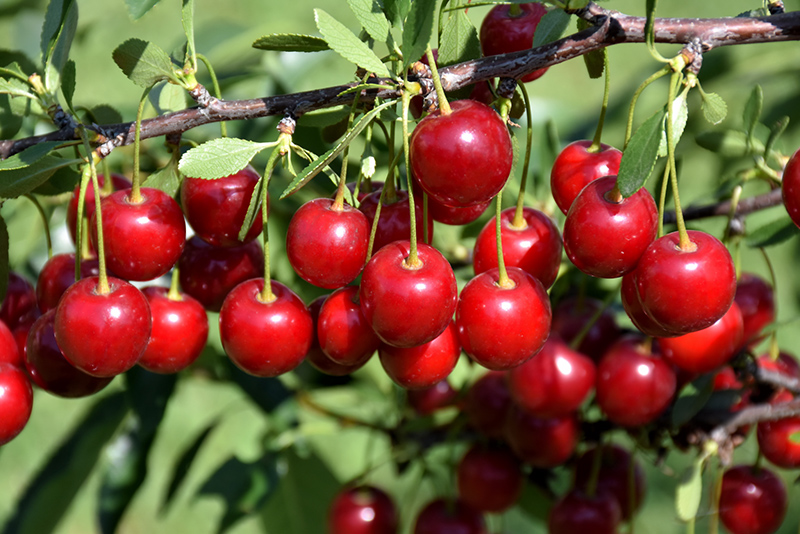
Cherry – Crimson Passion
Prunus x kerrasis
Also known as: Crimson Passion Dwarf Sour Cherry, Romance Series Bush Cherry
- Fruit
- Zone 3a
- Full Sun
- 1.5–2.5 m
- 1.2–1.8 m
- 1.5–2 m
- Medium
Bloom window: Spring
Toxic to pets.
- Soil
- Well-drained, Loam
- Native status
- Introduced
- Foliage habit
- Deciduous
- Landscape use
- Border, Hedge, Specimen
Care guides
Watering
Crimson Passion Cherry thrives in average, evenly moist soil conditions but possesses absolutely zero tolerance for standing water or waterlogged roots. During its first 1–2 years after planting in Steinbach, water deeply at the base 1–2 times a week during dry spells to assist in establishing a deep, resilient root infrastructure. Once established, it exhibits impressive short-term drought resistance. Provide one comprehensive, thorough deep soaking in late October right before the prairie ground locks up to prevent severe winter desiccation from cold winds.
Sunlight
This dwarf sour cherry demands a prime full-sun location, requiring a minimum of 6 to 8 hours of direct, unfiltered sunlight daily. Ample solar energy is the single most critical factor for triggering heavy spring flower budgeting, synthesizing maximum natural brix sugars (up to 22°) within the developing dark-red flesh, and ensuring a uniform, dense canopy framework. Avoid shady positions, which stunt growth and lead to lower yields.
Pruning
Highly trouble-free; Crimson Passion requires significantly less pruning than traditional fruit trees and should always be cultivated in its natural bushy shrub form rather than being forced into a single-trunk tree shape. Prune annually in late winter or early spring (typically late March to early April in Manitoba) while the wood is strictly dormant. Limit pruning to removing dead, broken, or winter-damaged branches, and thinning out rubbing internal limbs to increase air circulation. This variety produces its best fruit on 2-to-4-year-old wood.