Brassica
Cauliflower
Brassica oleracea
- Veggies & Herbs
- Full Sun
- 45–60 cm
- 45–60 cm
- 45–60 cm
- Medium
- Thriller
Bloom window: Summer, Fall
- Soil
- Well-drained, Loam
- Native status
- Introduced
- Foliage habit
- Deciduous
- Landscape use
- Border
Care guides
Watering
Cauliflower demands an absolute minimum of 2.5 cm of water per week and will not tolerate drying out. Any moisture stress or dry spell during Steinbach's summer will cause the plant to immediately halt growth and form tiny, useless heads ("buttoning"). Water deeply at the base early in the morning 2–3 times a week, ensuring the soil remains evenly moist like a damp sponge. Applying a thick layer of clean straw mulch around the plants is highly recommended to trap soil moisture and keep the shallow roots cool.
Sunlight
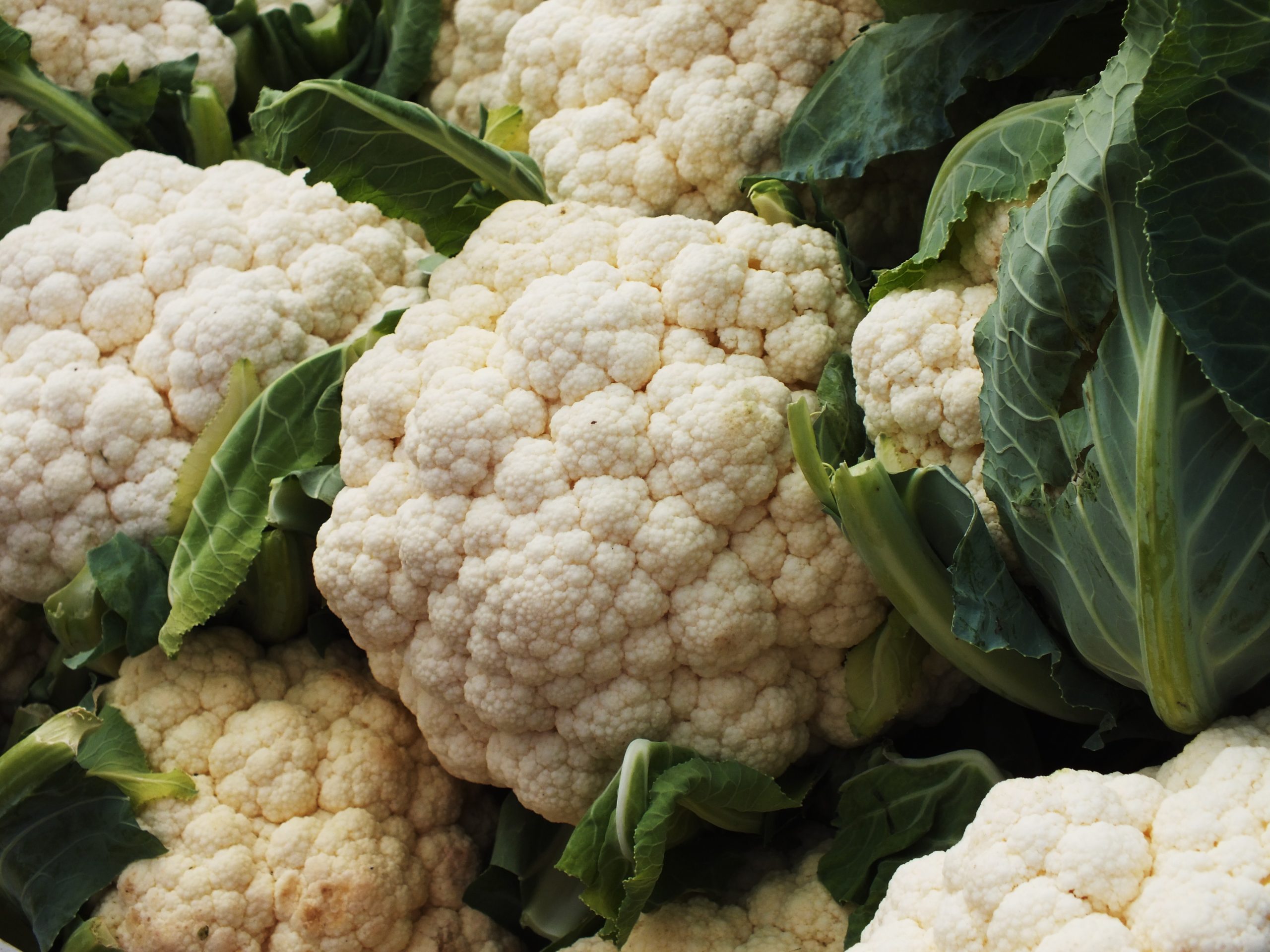
Requires full sun to generate enough energy for a heavy, dense curd. However, for traditional white-headed varieties, direct, blazing sunlight will turn the beautiful white curd a dull yellowish-brown and ruin the flavor. To keep heads pristine, practice "blanching": when the central white curd reaches the size of a golf ball, loosely gather the large outer leaves over the head and tie them together with twine or a rubber band to shield the curd from the sun. (Note: Self-blanching, purple, and orange varieties do not require this step).
Pruning
No traditional pruning is necessary for cauliflower. Do not remove any healthy wrapping leaves, as they are crucial for photosynthesizing and naturally shading the developing crop. Keep an eye out for pests like flea beetles and the imported cabbageworm (green caterpillars). It is highly recommended to protect your young transplants immediately upon planting in May using a lightweight mesh row cover, keeping it pinned down until the plant outgrows it. Harvest by cutting the main stem cleanly just beneath the head while the curd is still tight, firm, and smooth.