Kalopanax
Castor Beans
Kalopanax septemlobus
Also known as: castor-aralia, castor-leaved aralia, tree-aralia
- Annuals Beds and Borders
- Full Sun
- Low
- 185–305 cm
- Low
Toxic to pets.
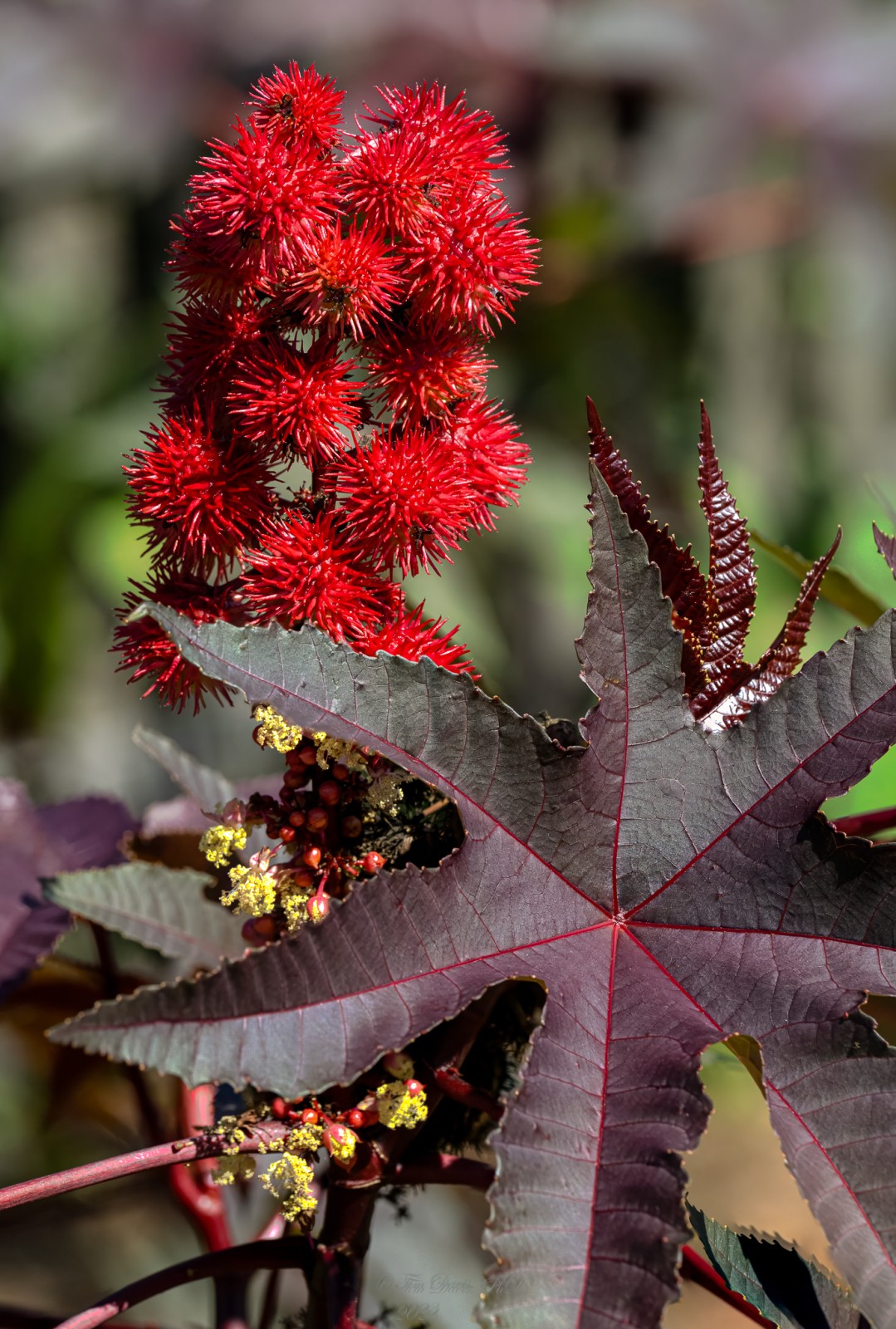
Castor bean (Ricinus communis) is a flowering plant in the spurge family native to the Eastern Mediterranean region and often used as an ornamental plant. It has a fast growth rate, reaching heights of up to 6 meters and producing attractive, large palmate leaves. Its seed, known as the castor bean, is highly poisonous if ingested and is still used in the production of castor oil. Castor bean thrives in areas with full sun and well-drained soil and is mostly grown as an annual plant in temperate climates. It is easy to grow from seed and is an excellent choice for any garden.
- Resistant to
- Drought, Pests, Disease
Care guides
Watering
The castor bean (Ricinus communis) should be watered deeply and consistently, allowing the soil to dry out slightly between waterings. During hot summer days, water the plant deeply once or twice a week. When temperatures drop in the fall and winter months, water the plant only once every 2 weeks. Always check the soil before watering to determine if it requires additional moisture. The castor bean does best in warm temperatures and does not tolerate cold weather well. If planted in an area exposed to cold temperatures, water sparingly and make sure the soil is well-draining.
Sunlight
Castor bean (Ricinus communis) plants thrive best in full sunlight, receiving at least 6 to 8 hours of direct sunlight per day. While the plant tolerates some shade, it is likely to perform best with the most exposure to sunlight. When growing in climates with mild winters and warm summers, castor beans will benefit from exposure to the sun when days are long in the summer months. In more temperate climates, castor beans will require more exposure to sunlight during any season. Monitor the plants throughout the year and adjust the amount of sunlight your castor bean plants receive accordingly.
Pruning
Pruning of castor bean plants (Ricinus communis) should be done in late winter or early spring before new growth appears. Prune out any dead, diseased, or damaged branches or stems and to thin out crowded branches. Remember to prune no more than 1-third of the branches at any 1 time and to avoid cutting back to a single stem. Prune back all lateral branches to about 1 third of their original length to promote new growth and increase branching. Though this species is fast-growing, prune sparingly and do not allow the plant to become too dense and overgrown.