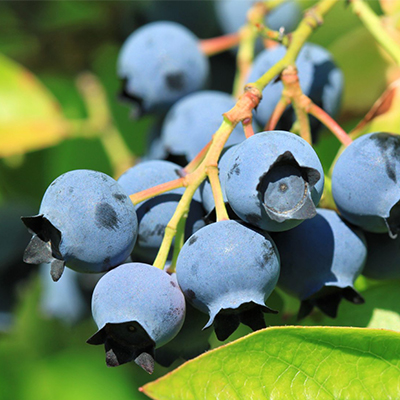
Vaccinium
Blueberry – Polaris
Vaccinium
Also known as: Polaris Half-High Blueberry, Polaris Blueberry
- Fruit
- Zone 3a
- Full Sun
- 0.9–1.2 m
- 0.9–1.2 m
- 1 m
- Medium
- Thriller
Bloom window: Spring
- Soil
- Well-drained, Sandy, Loam
- Native status
- Introduced
- Growth rate
- Moderate
- Foliage habit
- Deciduous
- Landscape use
- Border, Container
- Attracts
- Bees, Butterflies, Birds
Care guides
Watering
Polaris Blueberry features a delicate, fibrous root system locked within the upper soil layer, making it highly intolerant to both severe drought and muddy, standing water. Keep the growing medium consistently and evenly moist, mimicking a damp, well-wrung sponge. Provide deep watering at the base 1–2 times a week. To buffer these shallow roots against drying summer winds in Steinbach, maintain a thick 10 cm layer of acidic mulch (like shredded pine bark or pine needles). Give the shrub a final, massive root-drenching soak in late October before the winter freeze settles.
Sunlight
This cultivar requires a full-sun placement, needing at least 6 to 8 hours of direct, unfiltered sunlight daily. Maximizing light exposure directly drives heavy flower bud development, maximizes the natural sugars and rich aromatics within the light blue fruit, and ensures the foliage transitions into its signature eye-catching scarlet red display in September.
Pruning
Minimal pruning is required for the first 3 years after planting to allow the frame to properly establish. For mature bushes, perform light structural pruning annually in late winter or early spring (typically late March to early April) while the wood is still dormant. Cleanly snip away dead, crossing, or weak twiggy growth. To maintain consistent fruit yields, selectively prune 1 or 2 of the oldest, heaviest gray canes down to the base each year to prompt the plant into shooting up fresh, productive new red-brown fruiting wood. Note that Polaris requires an alternate companion variety (such as 'Chippewa' or 'Northblue') flowering at the same time to guarantee successful cross-pollination and a heavy berry set.