 Fruit
Vaccinium
Blueberries
Vaccinium 'Chippewa'
Also known as: half-high blueberry
- Full Sun to Part Shade
- High
- 90–120 cm
- Medium
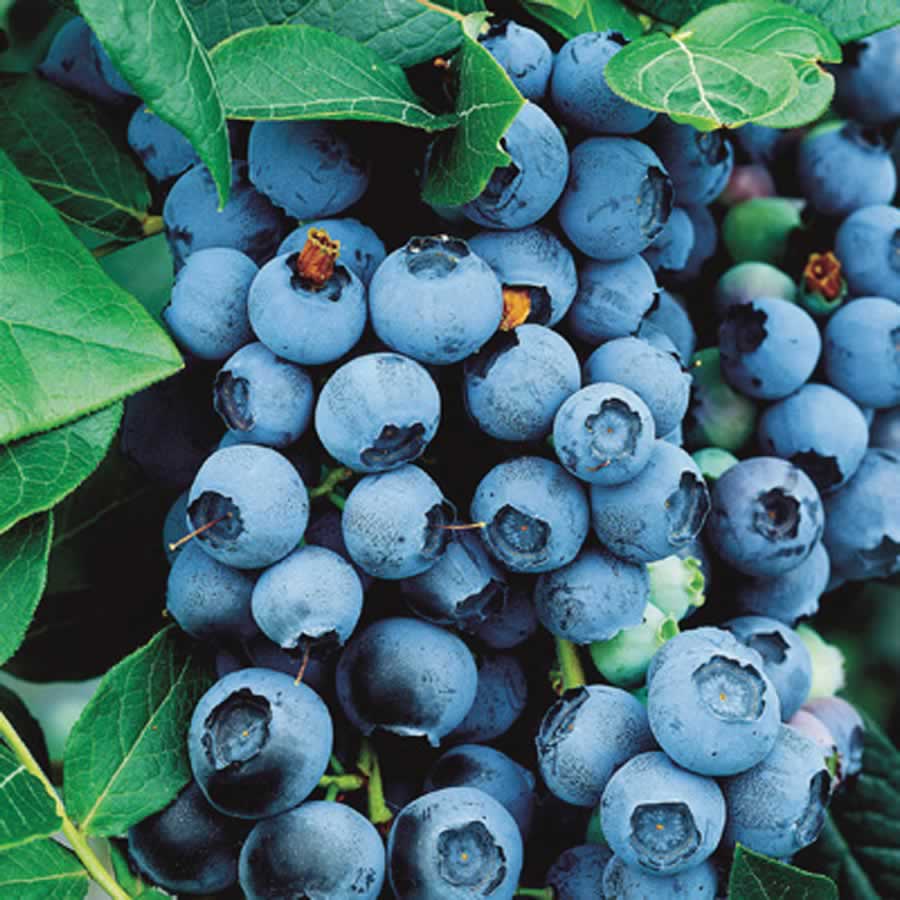
The Half-High blueberry, Vaccinium 'Chippewa', is a great addition to almost any garden. Though small in stature, they produce fruit in abundance! These low-maintenance shrubs reach a mature height of 18-30 inches, producing white or pink flowers in the spring and sweet, juicy, medium-size blueberries in the summer. The flowers attract pollinators and the shrubs look beautiful surrounded by perennial flowers. In addition, they are deer-resistant and drought-tolerant, making them ideal for a variety of climates. Get the wonderful taste and health benefits of homegrown blueberries with the Half-High blueberry!
- Bloom window
- Spring
- Attracts
- Birds, Butterflies
- Resistant to
- Drought
Plant Care Guides
Watering
Half-high blueberry (Vaccinium 'Chippewa') plants should be watered once a week, providing approximately 1-2 inches of water. Water thoroughly, so the soil is moist several inches below the surface. During hot, dry weather in the summer, water more often, up to twice a week. During periods of rain or cooler temperatures, reduce watering accordingly.
Sunlight
Half-high blueberry (Vaccinium 'Chippewa') plants prefer full sun, meaning at least 6 hours of direct sunlight per day. In more extreme climates with higher temperatures, the plants should be grown in part sun, meaning 4 hours of direct sunlight per day. The optimum sunlight for the plant is mid-day sun, between 10 a.m and 4 p.m when UV levels are at their highest. During the hottest summer months, midday sun can be too harsh and should be avoided. To provide the best environment for the plant, additional morning and afternoon sun is recommended when the plant is in its flowering phase.
Pruning
Half-high blueberry (Vaccinium 'Chippewa') should be pruned twice a year: once in the early spring, and once in late summer. In the early spring, prune the canes back by 1-third. This will encourage more fruit production and better airflow. In late summer, remove any dead or diseased canes, and prune any overly-long canes back by 1-third. Prunning should be done after the fruit has been picked, to reduce risk of disease. If done correctly, pruning helps improve the overall quality and yield of blueberry plants.