Picea
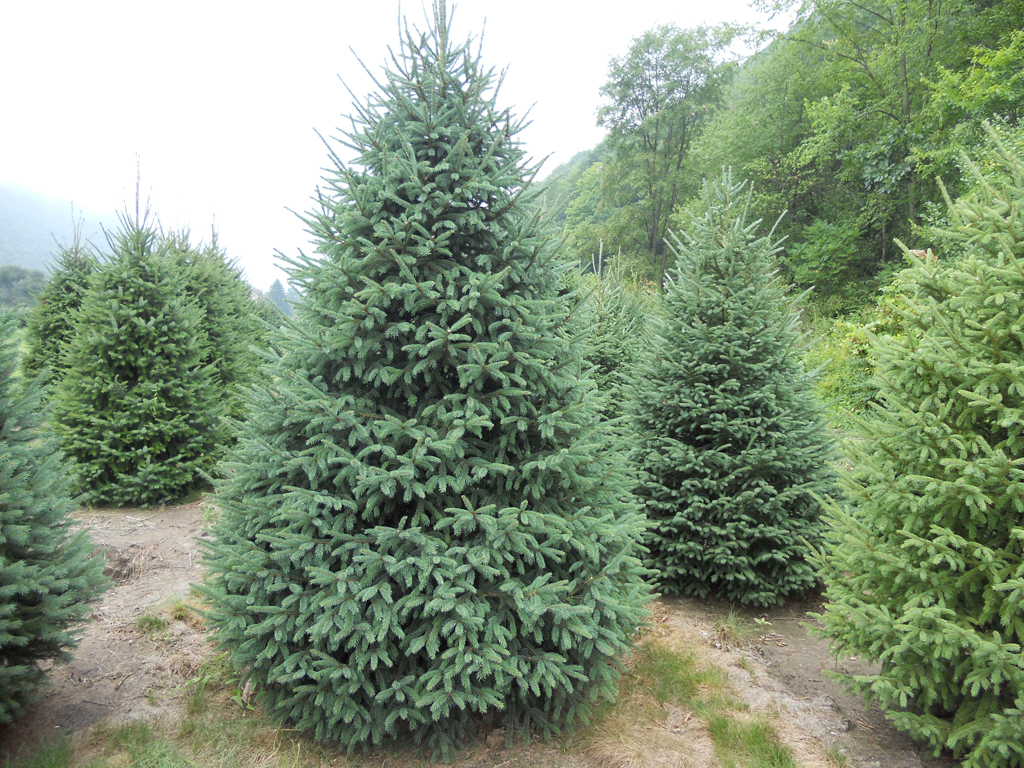
Black Hills Spruce
Picea glauca
- Trees
- Zone 3a
- Full Sun
- 10–14 m
- 4–6 m
- 4–5 m
- Low
- Soil
- Well-drained, Clay, Sandy, Loam
- Native status
- Introduced
- Growth rate
- Slow
- Foliage colour
- Green
- Foliage habit
- Evergreen
- Landscape use
- Hedge, Specimen
Care guides
Watering
Once successfully established in the landscape, Black Hills Spruce exhibits excellent drought tolerance and thrives in prairie conditions. For the first two growing seasons in Steinbach, water deeply once a week at the root zone during dry spells to ensure a robust, deep root network. Avoid shallow, frequent sprinkling. Before the ground locks up for winter in late October, provide one last exceptionally thorough deep watering to shelter the needles against freezing winter desiccation winds.
Sunlight
This majestic conifer demands full sun, requiring a minimum of 6 hours of direct, unfiltered sunlight daily. Ample sunlight is crucial for maintaining its signature, perfectly symmetrical pyramidal shape and remarkably dense needle growth. Planting it in shaded areas will cause the lower interior branches to become thin, leggy, and eventually drop their needles.
Pruning
Virtually zero pruning is necessary, as Black Hills Spruce naturally develops a dense, stately, and highly uniform holiday-tree profile. If structural correction or size control is required, limit pruning to pinching back the soft, lighter-green new growth "candles" in late spring (typically late May to early June). Never cut deep into the old wood where no green needles are visible, as it will not regenerate. Always cleanly remove storm-damaged or dead limbs immediately.