Potamogeton
Baby Blue Spruce
Potamogeton pusillus
Also known as: small pondweed, baby pondweed, lesser pondweed
- Evergreens
- Full Sun
- Medium
- 455–610 cm
- Low
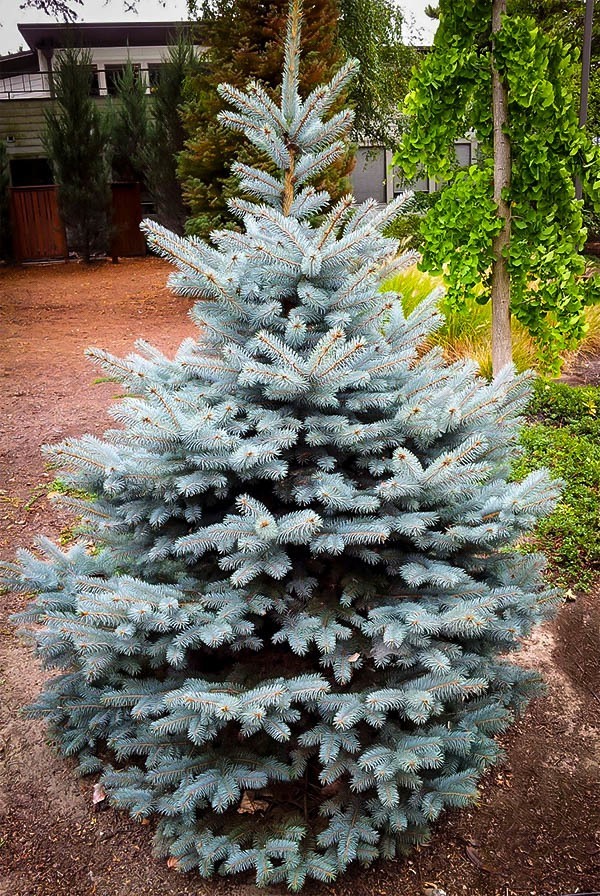
The Colorado spruce, or Picea pungens 'Baby Blueeyes', is an evergreen tree with a conical shape. Its needles are a soft sky-blue color, while its short cones are a reddish-brown color. The Baby Blueeyes variety is particularly attractive and can reach heights of up to 50 feet. It thrives in USA, Central Europe, and Western Asia, where temperatures do not drop too low. Colorado spruce is low-maintenance and requires plenty of sunshine and moist soil. It tends to grow faster in cooler climates and is an excellent choice for wind and snow breaks.
- Native status
- Native to Manitoba
- Foliage colour
- Silver, Green
Care guides
Watering
Watering for a Colorado spruce should be done once every 2 weeks. Approximately 1 gallon of water should be used for each foot of height of the tree. For young spruce trees, it is beneficial to water deeply, ensuring the root zone receives enough moisture. As the tree matures, watering can be reduced to every 2 to 3 weeks. To ensure that the tree is properly hydrated, it is important to check the soil moisture by inserting a finger into the soil. Keep the soil consistently moist, but not wet, to avoid root rot.
Sunlight
Colorado spruce (Picea pungens 'Baby Blueeyes') needs 4 to 6 hours of direct sunlight each day. They prefer bright, indirect sunlight for most of the day. When planting this species of tree, it’s important to assess the location on your property to determine the amount of sunlight it will receive each day. If you’re in an area that receives more than 6 hours of direct sunlight daily, consider planting this tree in an area that is partially shaded most of the day. For best health, Colorado spruce plants should be placed in a south- or east-facing location, as those areas receive more sunlight throughout the day.
Pruning
For Colorado Spruce (Picea pungens 'Baby Blueeyes'), pruning should be done once a year in the early spring before the new growth begins. It is best to prune slowly over a few years so that the tree does not become stressed. You can prune off any dead, broken or diseased branches and trim back the larger branches to maintain the desired shape. You should only remove a maximum of about 10% of the tree’s branches/ needles. This will ensure that the color and texture of the tree is maintained.